

Cooling Systems for Data Centers
Why Are Data Center Cooling Methods So Important?
For operators, cooling is no longer just a technical need. It's a strategic opportunity to reduce costs, extend equipment life, and meet environmental goals. Modern data center cooling systems must deliver high performance, energy efficiency, and sustainability — all at once. Without effective cooling, heat buildup can lead to hardware failures, downtime, and data loss. But it's not just about temperature control.
176 TWh
4.4%
6.7-12%
90%
Types of Cooling Systems for Data Centers
Liquid Cooling
Key Benefits
- Reduces reliance on fans and air conditioning
- Frees up floor space
- Quiet operation with excellent energy performance
Immersion Cooling
Key Benefits
- Ultra-efficient for high-performance computing
-
Ideal for managing hot zones and edge deployments
-
Requires minimal energy input
Evaporative Cooling
Key Benefits
- Best suited for dry, arid climates
- Energy-efficient operation
- Requires water management and treatment
Air Cooling
Key Benefits
- Easy to implement and maintain
-
May underperform in high-density or high-temperature setups
-
Less efficient compared to newer technologies
Free Cooling
Key Benefits
- Can reduce mechanical cooling needs by up to 80%
-
Ideal for temperate or cold climates
-
Helps meet carbon footprint and efficiency goals
Hybrid Cooling
Hybrid systems combine two or more methods (like dry coolers, liquid cooling, and free cooling) to create a dynamic, responsive cooling environment. These systems automatically adjust based on environmental conditions or real-time loads.
Key Benefits
- Smart, automated control
- Scalable to changing capacity needs
- Resilient and highly energy-efficient
Next-Gen Cooling Systems for a Sustainable Data Center
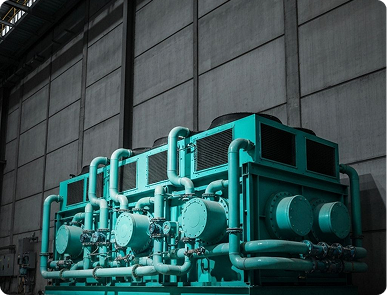
Dry Coolers with Free Cooling Integration
Closed-loop systems that dissipate heat using ambient air, eliminating the need for constant water usage.
- Flat or V-shaped configurations for flexible installation
- Hybrid or passive modes during cooler months
- Reduces reliance on mechanical refrigeration
- Cuts down on energy costs and carbon emissions
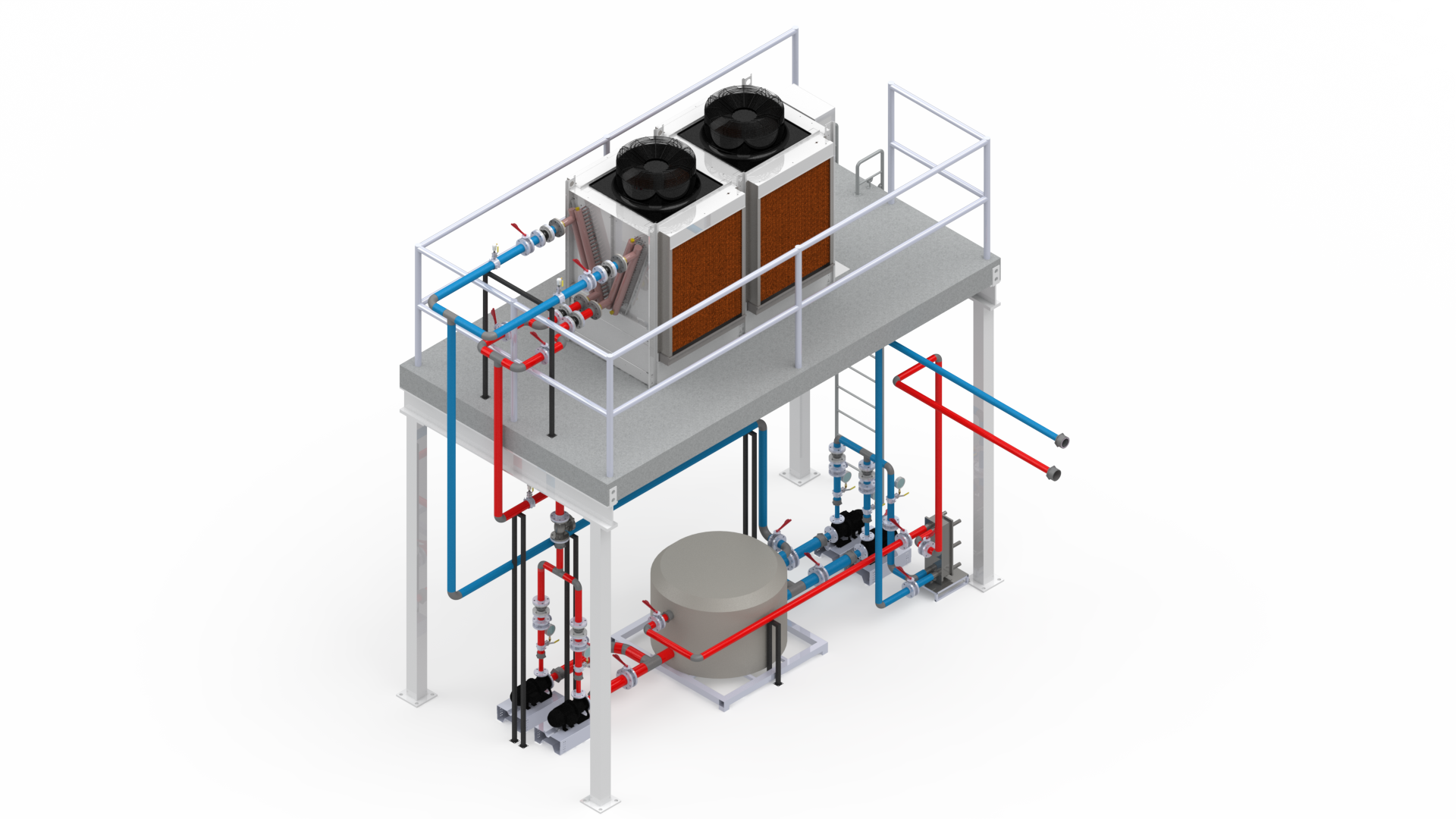
Closed-Circuit Adiabatic Coolers
Closed-loop systems that dissipate heat using ambient air, eliminating the need for constant water usage.
- Flat or V-shaped configurations for flexible installation
- Hybrid or passive modes during cooler months
- Reduces reliance on mechanical refrigeration
- Cuts down on energy costs and carbon emissions
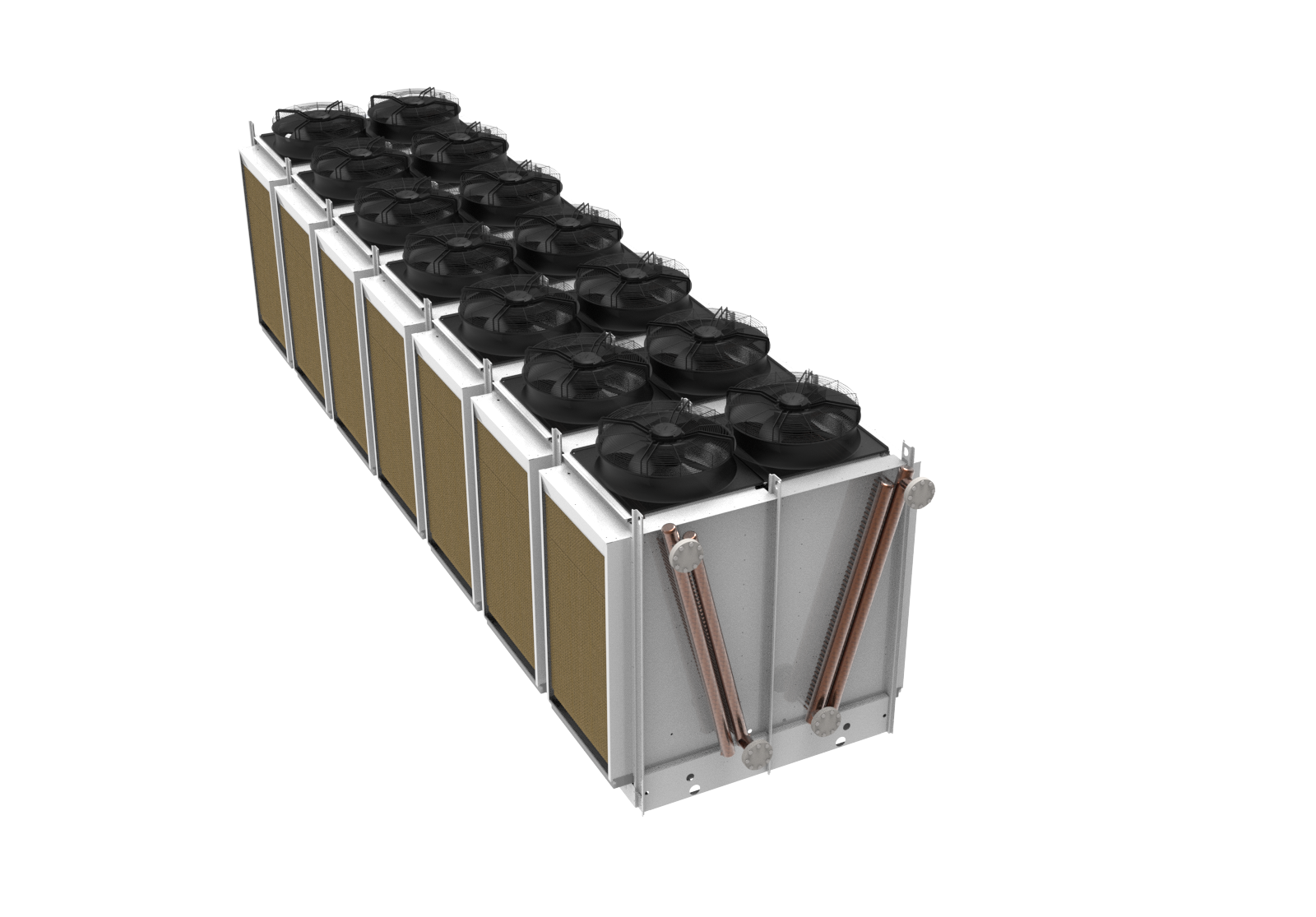
Closed-Circuit Adiabatic Coolers
Closed-loop systems that dissipate heat using ambient air, eliminating the need for constant water usage.
- Flat or V-shaped configurations for flexible installation
- Hybrid or passive modes during cooler months
- Reduces reliance on mechanical refrigeration
- Cuts down on energy costs and carbon emissions
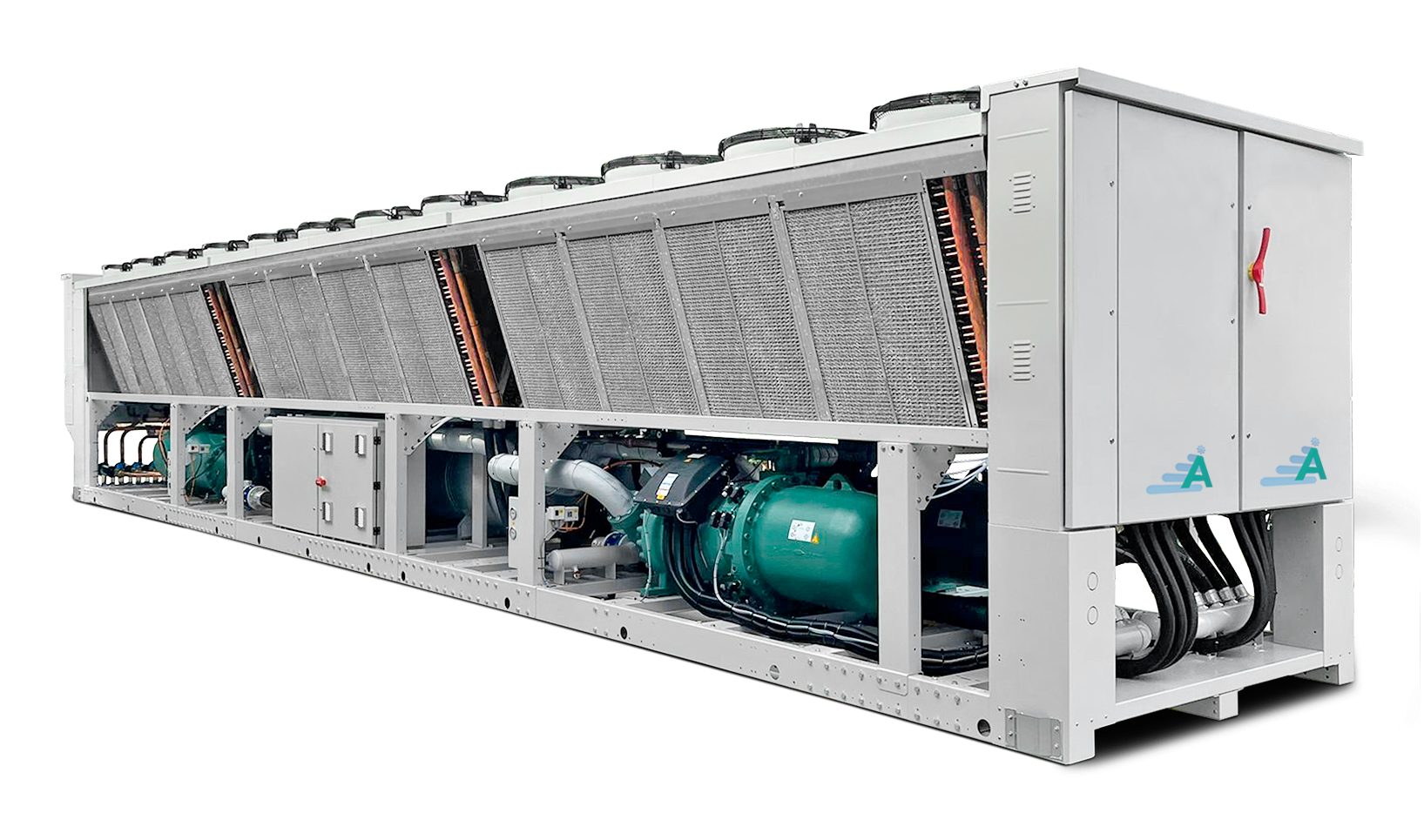
Large-Scale Screw Chillers
Ideal for large-scale data centers with constant thermal loads and robust design.
- High cooling capacity up to 2250 kW
- Can be deployed outdoors to save space
- Consistent performance with reduced maintenance
- Well-suited for Tier III and Tier IV data centers

Coolant Distribution Units (CDUs)
Essential for liquid-cooled systems, managing distribution and temperature control of coolant throughout the data center.
- Capacities up to 2000 kW
- Precise regulation, monitoring, and redundancy
- Significantly less water than traditional HVAC-R
- Cornerstone of water-efficient cooling strategies
FAQs: Data Center Cooling
How does data center cooling work?
It removes heat from IT equipment using air or liquid, keeping systems within safe operating temperatures.
What type of cooling systems are used in data centers?
Air cooling, liquid cooling, evaporative, free cooling, and hybrid systems depending on the design and density.
What is the best cooling method for a data center?
It depends. Hybrid and free cooling are often the most efficient for large or variable workloads.
What are the cooling requirements?
Server inlet temperatures should stay between 64.4°F and 80.6°F, per ASHRAE standards.
Can data centers operate without water?
Yes. Dry coolers and air-cooled systems avoid water use entirely, reducing environmental impact.
Are cooling towers still necessary?
Not always. Many new-generation systems replace them with dry or adiabatic cooling for better efficiency.

